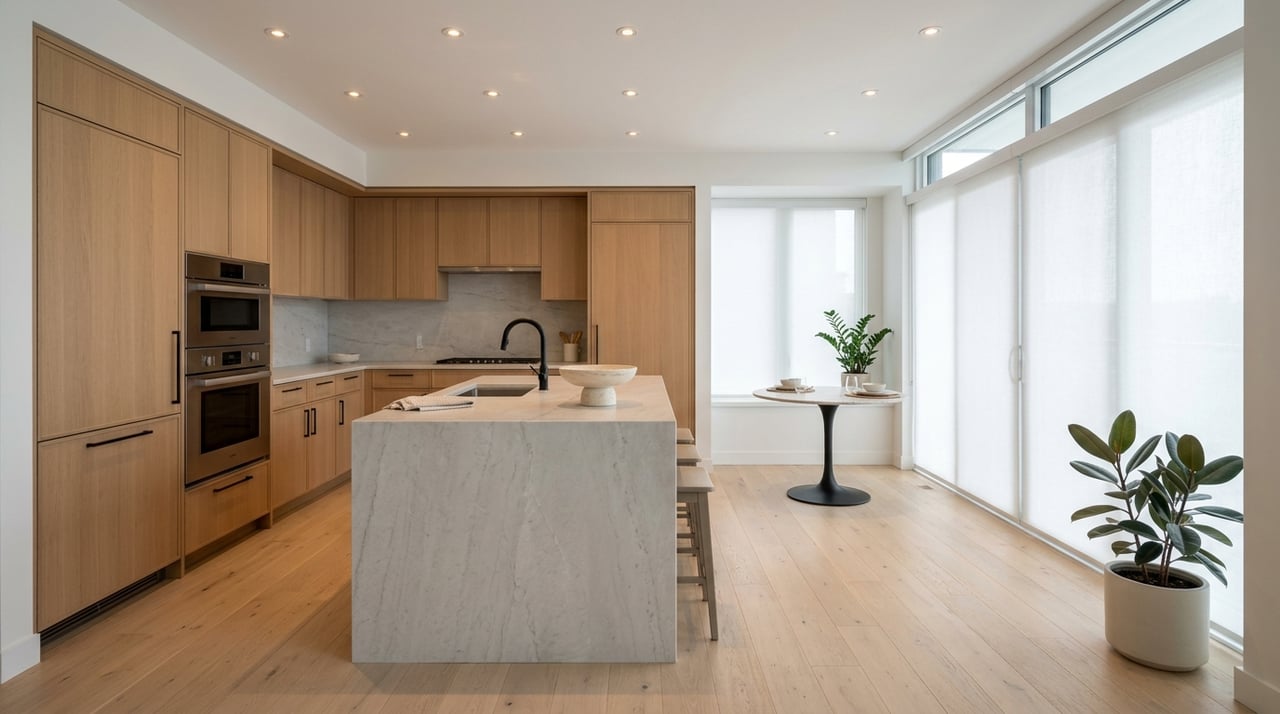
Wondering whether an HOA will shape your downtown condo lifestyle more than the unit itself? In many Austin condo buildings, that answer is yes. If you are buying in Downtown Austin, understanding the rules, fees, and documents tied to the association can help you avoid surprises and make a more confident decision. Let’s dive in.
What Governs a Downtown Austin Condo
When you buy a condo in Downtown Austin, you are not just buying the interior space. You are also buying into a set of legal documents and community rules that define how the building operates. In Texas, the key governing documents usually include the declaration, bylaws, association rules, management certificate, and resale certificate.
Under Texas Property Code Chapter 82, the declaration lays out the basics of the condominium. It identifies the condo and association, describes unit boundaries, explains limited common elements, outlines restrictions on use or occupancy, and shows how common expenses are allocated. That is why two buildings in the same part of downtown can feel very different in practice.
The condo association, through its board, can also adopt budgets, collect assessments, regulate maintenance and use, and enforce rules with fines after notice and an opportunity for a hearing. For you as a buyer, that means many of the rules that affect daily life are building-specific, not citywide defaults.
Why HOA Documents Matter So Much
A downtown condo can offer convenience, amenities, and a strong lock-and-leave lifestyle. At the same time, the HOA documents define what is shared, what is private, what is allowed, and what costs you may be responsible for over time. Those details can affect your budget, your financing, and your long-term satisfaction.
One of the most important documents during a purchase is the resale certificate. Texas law requires it to include items like the current budget, reserves, approved capital expenditures, insurance coverage, pending lawsuits, and certain transfer fees. The association must provide it within 10 days after a written request.
In practical terms, the resale certificate can tell you whether the building appears financially steady or whether there may be upcoming costs or concerns to review more closely. It is one of the best tools you have for seeing beyond the listing photos.
HOA Dues and Reserve Funds
Monthly dues often get the most attention, but they are only part of the story. In Texas condos, dues are tied to the annual budget and the allocation formula in the declaration. That means a building with similar square footage or a similar location may still have very different dues from another tower nearby.
The differences usually come down to staffing, amenities, maintenance responsibilities, and how expenses are allocated among owners. A building with concierge service, a pool, fitness spaces, dog areas, guest spaces, or business amenities typically has more systems to maintain and more operating complexity.
Reserve funds matter just as much as the monthly number. You will want to know whether the association has reserves, whether major projects are already approved, and whether a special assessment may be on the horizon. The resale certificate is designed to surface those issues.
Common Elements vs. Limited Common Elements
This is one of the easiest condo concepts to overlook. A space may feel private in daily use, but legally it may still be governed by the association. Texas law generally treats finished surfaces inside the unit boundaries as part of the unit, while items like balconies, patios, exterior doors, and windows that serve only one unit are often limited common elements.
That matters because limited common elements are not always yours to alter freely. Even if only your unit uses a balcony or terrace, the declaration and rules may still control what can be placed there, changed there, or maintained there.
For Downtown Austin buyers, this comes up often with outdoor living spaces. If a balcony, terrace, or assigned area is important to you, it is worth confirming exactly how that space is classified and what rules apply.
Pet Rules Can Be More Detailed Than You Expect
Many buyers assume a pet-friendly building will be flexible across the board. In reality, pet rules can be highly specific even in buildings with strong amenity packages. The declaration may include use restrictions, and the board may also adopt rules that shape how pets are handled in common areas.
A published Plaza Lofts rule set shows how detailed condo pet policies can get. It limits households to two dogs and or cats combined, prohibits pet boarding, sets a 75-pound limit on full-grown dogs, bars animals from the rooftop common area, and requires leashes and cleanup in common areas.
The takeaway is simple: do not assume a building’s vibe tells you the pet policy. If you have a dog, multiple pets, or specific expectations about access to shared spaces, review the written rules early.
Leasing and Occupancy Rules Vary by Building
Leasing is another area where downtown condo associations can differ a lot. Texas law allows the declaration to impose restrictions on use, occupancy, or transfer, and associations may regulate leasing or sale activity to the extent allowed in the governing documents.
For buyers who may want flexibility in the future, this is a critical point. A building may allow leasing but limit lease terms, cap the number of leased units, require approvals, or impose waiting periods. Those details can affect both your future plans and your resale pool.
This issue becomes even more important in projects with home-sharing or short-term-rental characteristics. Natiivo Austin, for example, is marketed as a home-sharing residential tower with a full-service hosting model. That type of structure can appeal to some buyers, but it can also raise extra questions for lenders.
Amenities Often Mean More Rules and More Fees
Shared amenities are a major reason many people choose downtown condo living. Pools, lounges, concierge services, business spaces, dog areas, and fitness centers can add real convenience to daily life. They can also increase the number of rules, operational decisions, and costs tied to the building.
Texas law allows associations to charge fees for the use, rental, or operation of common elements and for services provided to unit owners. So beyond your monthly dues, you may also see move-related fees, transfer costs, deposits, or charges tied to building operations.
A 2025 management certificate for Austin City Lofts lists examples such as a resale disclosure package fee, transfer fee, one-month working-capital contribution, elevator move fee, and electricity deposit. These are exactly the kinds of non-dues charges that can catch buyers off guard if they are not reviewed before closing.
Downtown Austin Buildings Show the Trade-Offs
Downtown Austin offers a wide range of condo living styles. Some buildings are smaller and more boutique, while others operate at a much larger scale with expansive amenity packages. That mix gives buyers options, but it also means HOA structures can vary quite a bit.
Austin City Lofts is an example of a smaller boutique building, with 14 stories and 82 residences, plus amenities like 24-hour concierge service, a lap pool, grilling areas, a fitness center, and private parking. A smaller owner base can create a more intimate feel, but it also means fewer owners share the ongoing costs.
Milago offers a mid-rise example with 13 floors and 240 units, along with concierge service, a pool, gym, garage parking, storage, and direct access to the Hike-and-Bike Trail. For some buyers, that kind of scale can strike a balance between service level and complexity.
At the larger end, 360 Condominiums is described as a 44-story tower with 430 units and amenities that include a 70-foot lap pool, cabanas, an outdoor kitchen, a clubroom, theater room, pet area, and 24-hour concierge. The Independent and Seaholm also illustrate how major amenity programs can create a more service-rich experience, while also increasing the importance of strong association management and financial health.
Five HOA Red Flags to Watch
As you review a downtown condo, it helps to have a simple filter for what deserves closer attention. These issues do not always mean a building is a bad fit, but they should prompt more questions.
Review leasing restrictions carefully
Leasing language that is vague, unusually restrictive, or tied to waiting lists can limit your future flexibility. If renting the unit later matters to you, make sure the actual written rules match your goals.
Look for reserve and assessment concerns
Low reserves, approved capital projects, or signs of upcoming special assessments can affect your true cost of ownership. The resale certificate should help identify those issues.
Check for pending litigation
Pending lawsuits deserve careful review, especially if they involve structural soundness, safety, or habitability issues. These matters can affect both ownership risk and financing.
Understand hotel-like operations
If a project has home-sharing, daily rental activity, or a hotel-style operating model, ask more questions early. Lenders may review those characteristics closely.
Compare pet rules to your expectations
Do not assume the building’s amenities tell the full story. A dog park or pet washing station does not automatically mean broad pet flexibility across the entire building.
A Smart Document Review Checklist
If you are serious about a downtown condo, ask for the core document package as early as possible. Reviewing the right documents upfront can save time and reduce surprises during the option period or financing process.
Here is a strong starting checklist:
- Management certificate
- Declaration
- Bylaws
- Rules and regulations
- Current budget
- Recent financials
- Reserve study, if available
- Board minutes
- Insurance summary
- Resale certificate
Texas law requires associations to keep detailed financial records and board minutes, and the resale certificate must disclose several of the key financial and operational items buyers care about most. Together, these documents give you the clearest picture of how the building is run.
When to Ask for Extra Help
Some condo questions are practical, while others are legal or financing-related. Knowing who to ask can make your review process much smoother.
Ask your agent when you want real-world context. That includes questions about how the building feels day to day, how amenities are actually used, whether rules are enforced consistently, and whether the overall lifestyle feels more boutique or more hotel-like.
Ask an attorney when the declaration language is unclear. This is especially important if you are unsure about use restrictions, occupancy rules, leasing rights, amendment provisions, or limited common elements.
Ask your lender early if the building has litigation, insurance concerns, critical repairs, reserve shortfalls, or short-term-rental characteristics. Those issues can affect condo project eligibility and your financing path.
The Bottom Line for Downtown Austin Buyers
When you buy a condo in Downtown Austin, the unit is only part of what you are purchasing. The HOA documents define much of the living experience, including what is shared, what is private, what can be changed, what can be rented, and how financially prepared the building may be for future needs.
That is why a condo search should include more than square footage, views, and amenities. With the right review process, you can match the building’s rules and financial structure to your lifestyle, budget, and long-term plans.
If you are weighing condo options in Downtown Austin and want concierge-level guidance through the building, document, and negotiation process, connect with the Jamie Novak Group.
FAQs
What documents should you review before buying a Downtown Austin condo?
- You should review the management certificate, declaration, bylaws, rules and regulations, current budget, recent financials, reserve study if available, board minutes, insurance summary, and resale certificate.
Why do HOA dues vary between Downtown Austin condo buildings?
- Dues can vary because each building has its own budget, expense allocation formula, staffing model, amenity package, and maintenance obligations.
What is a limited common element in a Texas condo?
- A limited common element is an area or feature that may serve one unit, such as a balcony, patio, exterior door, or window, but is still governed by the association and condo documents.
How can pet rules differ in Downtown Austin condos?
- Pet rules can differ by building and may cover the number of pets allowed, weight limits, leash requirements, restricted areas, cleanup rules, and whether pet boarding is allowed.
Why should you ask a lender about a Downtown Austin condo early?
- You should ask early if the building has litigation, reserve issues, insurance concerns, critical repairs, or home-sharing and short-term-rental features that could affect financing.