If you have already chosen Austin and now want the right waterfront fit, you are likely weighing Lake Austin against Lake Travis. Both offer incredible views and access to the water, yet the day-to-day lifestyle can feel very different. You want clarity on boating, marinas, dining by boat, water levels, and the drive to town. This guide breaks down the real-life trade-offs so you can choose with confidence. Let’s dive in.
Quick take: which lake fits you
- Lake Austin: Quiet, ribbon-like water, frequent boat-to-dinner outings, and shorter drives to central Austin. Great if you want daily convenience and reliable dock access in a residential setting.
- Lake Travis: Big open water, larger marinas and slips, and a resort vibe with iconic party coves. Ideal if you want long recreational runs, full-service marina support, and sunset dining with Hill Country views.
How each lake is managed
Understanding who sets the rules helps you plan docks, buoys, and marina use. Lake Travis is part of the Highland Lakes system managed by the Lower Colorado River Authority. LCRA publishes standards and permitting for buoys, docks, and marinas, which shape what owners and marina operators can build or modify. Review the current LCRA dock and marina standards.
Lake Austin is largely governed by the City of Austin for recreational rules and dock permitting. This means different applications, timelines, and allowable dimensions than Lake Travis. Before you buy, verify which authority applies to your shoreline and any HOA or community-marina rules.
Water levels and dock reliability
Lake Travis was designed for water storage and flood control. As a result, its levels can swing more seasonally and operationally, which may affect ramp availability and how your shoreline looks and functions. See the LCRA overview of dams and lakes for context.
Lake Austin sits below Mansfield Dam with a more river-like character and typically more stable levels. While it can still be influenced by upstream releases and storm events, many buyers who want consistent, year-round dock use favor Lake Austin for that reason. On either lake, plan to follow official advisories during debris or flood recovery periods.
Boat culture and weekend energy
Lake Austin: scenic cruises and boat-to-dinner
Lake Austin’s narrower, canyon-like feel sets a calmer pace. Owners often keep runabouts, pontoons, or ski boats and use them for short evening cruises, coffee stops, and casual meals by boat. Tying up near favorite spots is common, and the culture leans toward social cruising rather than all-day high-speed runs.
Lake Travis: open water, big marinas, social scenes
Lake Travis offers broad, open water and supports higher-speed boating, long recreational runs, and larger craft. The lake is known for big weekend gatherings and popular raft-up spots like Devil’s Cove. If you want lots of space for wakesports, larger tritoons or yachts, and a lively weekend scene, Travis delivers. For size and lake details, check the TPWD Lake Travis page.
Noise and crowd timing
Lake Travis typically sees heavier weekend and holiday traffic, especially near well-known coves and marina hubs. Lake Austin is often calmer in many residential stretches, yet it can still get busy on peak weekends near popular restaurants. If you value quiet weekday mornings and quick sunset spins, Lake Austin tends to suit that rhythm. For event-style weekends and group boating, Lake Travis is the draw.
Marinas and boat services
Lake Travis: full-service marina network
Lake Travis hosts multiple large marinas with robust amenities. Examples include Rough Hollow Yacht Club & Marina and Sandy Creek Yacht Club. Services commonly include large wet slips, dry stack, fuel, pump-outs, ship stores, tram access for steep lots, and sometimes marina concierge. If you own a larger boat or want one-stop maintenance and service, Travis gives you more options.
Lake Austin: private-dock lifestyle
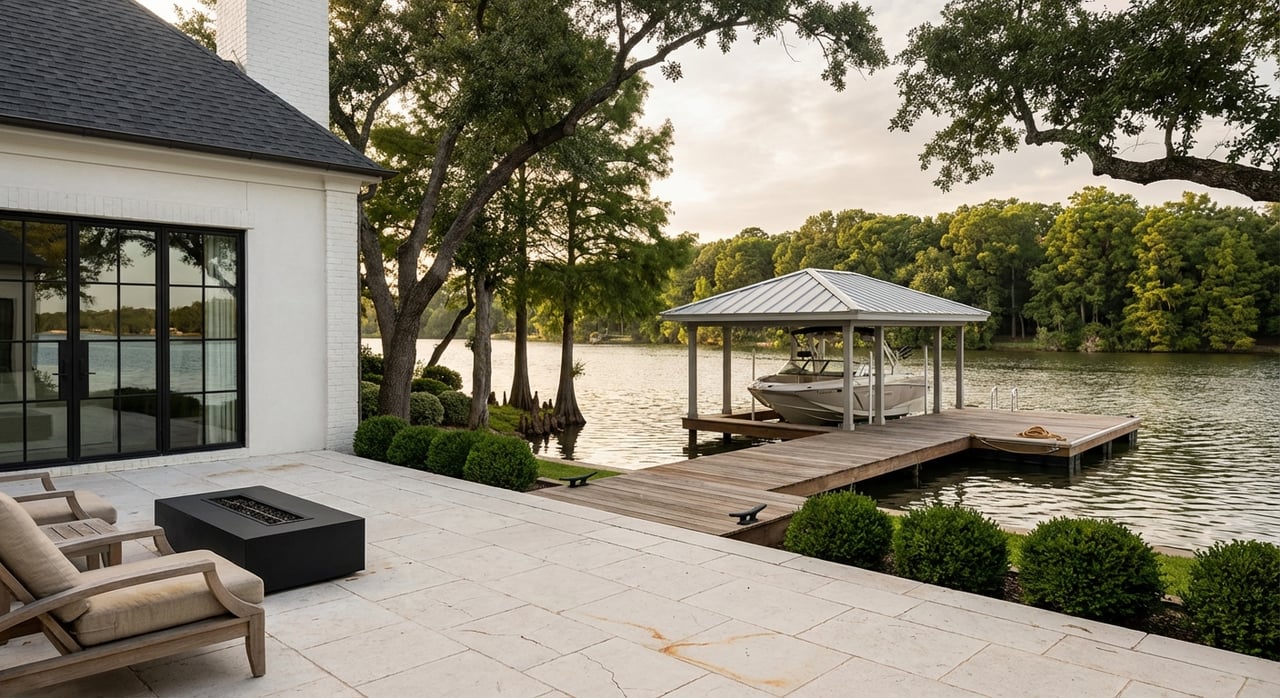
Lake Austin has fewer full-service commercial marinas and a more residential shoreline, so owners often rely on private docks and smaller facilities. Large-boat storage and heavy-lift service can be more limited. Many buyers who favor Lake Austin do so for the private, neighborhood setting and shorter boat runs rather than big-boat infrastructure.
Dining on the water
Lake Austin: quick boat-to-table
Lake Austin makes it easy to cruise out for a casual lunch or sunset bite. Favorites like Hula Hut at Oyster Landing and nearby cafés are common tie-up spots. Short, scenic runs make spontaneous dinners and coffee cruises part of daily life.
Lake Travis: destination sunset decks
Travis pairs big views with larger restaurant decks and resort-style venues. The Oasis on Lake Travis is famous for sunset terraces, and several marinas include on-site dining or ship-store eateries. Expect longer runs by boat and more drive-in options near Lakeway and Bee Cave.
Shoreline, homes, and commute
Lake Austin character and access
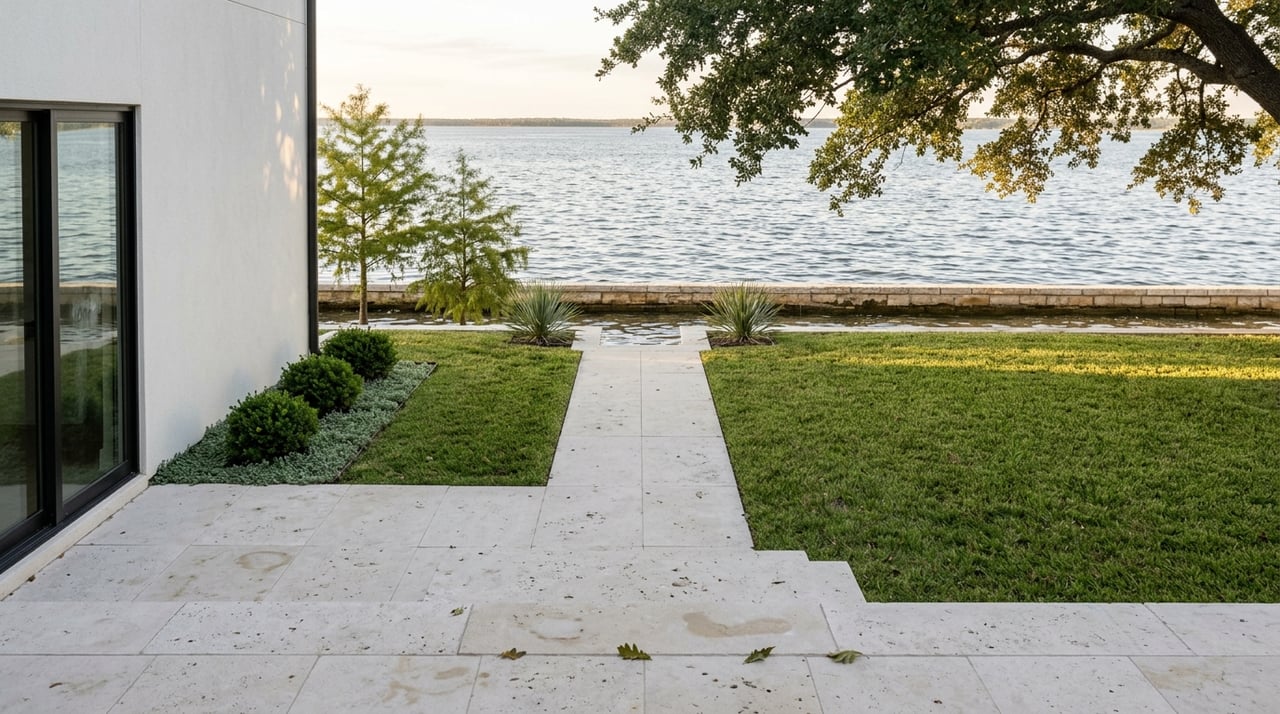
This ribbon-style lake features mature trees, private estates, and tightly held waterfront parcels near West Lake Hills, Rollingwood, and portions of Steiner Ranch. Drives to central Austin can be about 5 to 20 minutes depending on exact location and traffic. The limited shoreline creates a sense of scarcity and a premium on convenience.
Lake Travis character and access
Travis offers expansive coves and more shoreline variety. Communities like Lakeway, Rough Hollow, and parts of Lago Vista mix planned amenities with a Hill Country feel. Commutes to downtown often range from about 25 to 45 minutes depending on neighborhood and route, which suits buyers who prioritize big-water recreation and resort-style amenities.
School districts at a glance
Many Lake Austin areas are served by Eanes ISD. The Lake Travis corridor is primarily served by Lake Travis ISD, with parts served by Leander ISD. Buyers with school-age children often consider district boundaries and campus proximity when comparing homes.
What to verify before you buy
Use this checklist during property selection and due diligence:
- Dock rights and permits. Confirm who issues permits for your address. LCRA oversees most Highland Lakes, while the City of Austin manages Lake Austin. Start with the LCRA dock and marina guidelines, then confirm any city or HOA rules.
- Water-level history. Understand seasonal level changes for your specific cove. LCRA provides system context in its dams and lakes overview.
- Marina slip availability and services. If you prefer large-boat slips, dry stack, fuel, pump-outs, or valet-style service, call marinas such as Rough Hollow Yacht Club & Marina to confirm slip sizes, waitlists, and service capacity.
- Local use rules that affect daily routine. Be aware of City of Austin holiday rules on Lake Austin, including personal watercraft bans on certain holidays.
- Environmental and safety advisories. Learn and follow clean, drain, dry practices and check for algae or invasive-species advisories. See TPWD’s Lake Austin guidance for current notices and tips.
- Lifestyle fit. Ask yourself how you want to use the water most weeks. Frequent boat-to-dinner and short evening cruises point to Lake Austin. Full-day runs, wakesports, and big-slip marina life point to Lake Travis.
How we help
You deserve a clear, confident path to the right waterfront home. Our team lives and works along Lake Austin and Lake Travis, and we understand how dock rights, marina access, and daily drive times shape real life on the water. From early planning to closing, we coordinate the details so you can focus on lifestyle.
Ready to match your routine to the perfect shoreline? Connect with the Jamie Novak Group to schedule your concierge consultation.
FAQs
How does lake management affect my dock plan?
- Lake Travis permitting follows LCRA rules, while Lake Austin permitting is typically handled by the City of Austin. The authority determines timelines, dimensions, and buoy rules.
Which lake is better for large boats?
- Lake Travis. It has more full-service marinas with large slips, dry stack, fuel, and maintenance. Lake Austin is more private-dock oriented and has fewer large-slip options.
Will I be able to boat to dinner often on Lake Austin?
- Yes. Many owners take short evening cruises to boat-accessible restaurants and cafés, which is part of Lake Austin’s daily rhythm.
How different are the weekend vibes on each lake?
- Lake Austin leans calmer and more residential on many stretches. Lake Travis draws larger groups, wakesports, and well-known raft-up spots on peak weekends.
How long are typical commutes from each lake to downtown Austin?
- From Lake Austin, many locations are about 5 to 20 minutes depending on traffic. From Lake Travis communities, many commutes run about 25 to 45 minutes depending on the route.