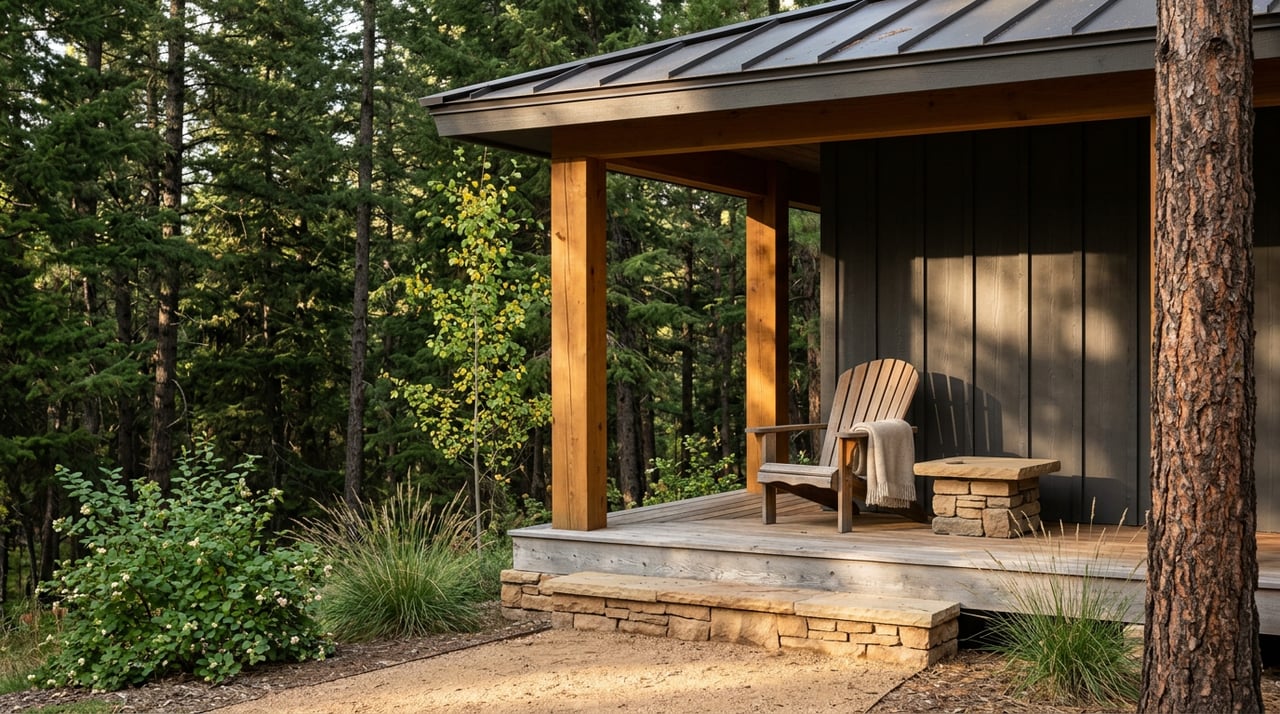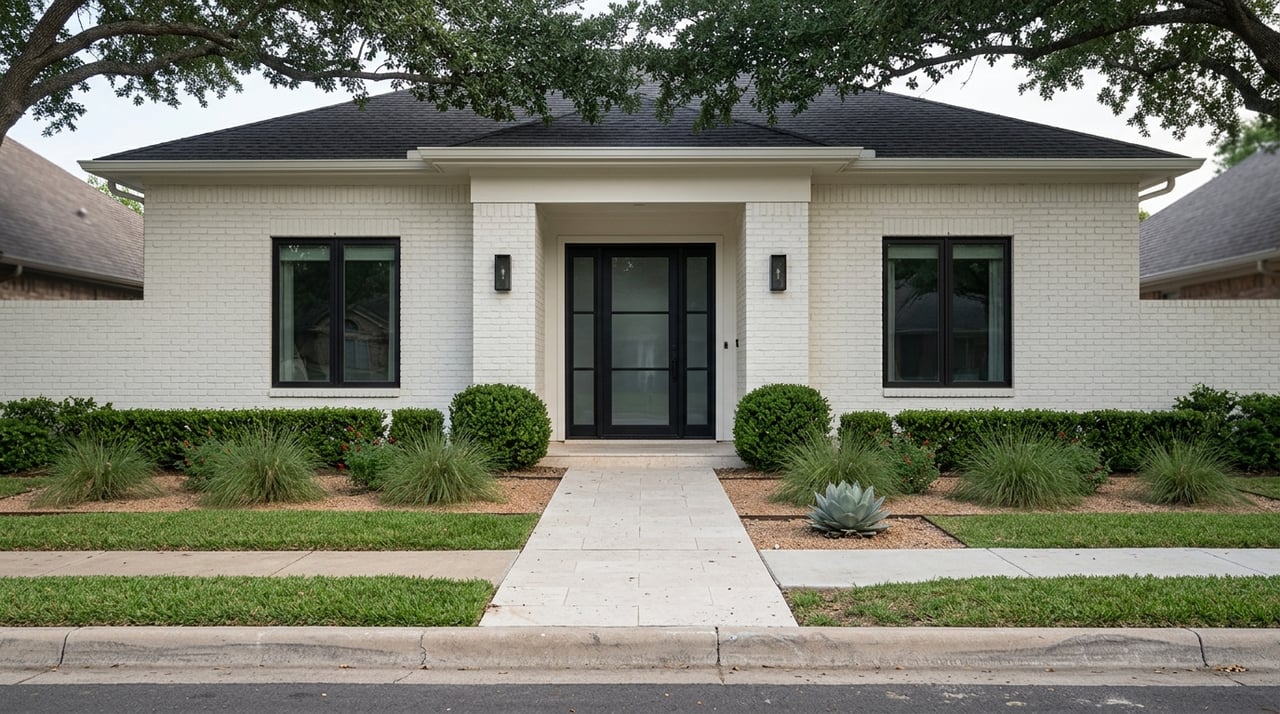
If you are trying to decide between acreage and neighborhood living in Dripping Springs, you are not alone. This is one of the most practical choices buyers face in a fast-growing Hill Country market where both options can look appealing on paper. The right fit often comes down to how you want to spend your time, manage your property, and move through daily life. Let’s dive in.
Why this choice matters in Dripping Springs
Dripping Springs has grown quickly in recent years. The U.S. Census Bureau lists a 2024 population estimate of 10,165, up from 4,650 in 2020, and the city notes that much of that growth has happened through residential land uses and subdivisions within the city limits and ETJ.
That growth matters because it has expanded the range of housing choices. You can still find the Hill Country appeal of larger tracts, open space, and privacy, but you can also find neighborhood settings that make it easier to stay connected to town amenities and community events.
The city also highlights its natural setting, including wildlife, creeks, springs, and scenic character. As an International Dark Sky Community and Platinum Level Scenic City, Dripping Springs offers a lifestyle that feels tied to the land, whether you choose a private acreage property or a home in a neighborhood.
Acreage living in Dripping Springs
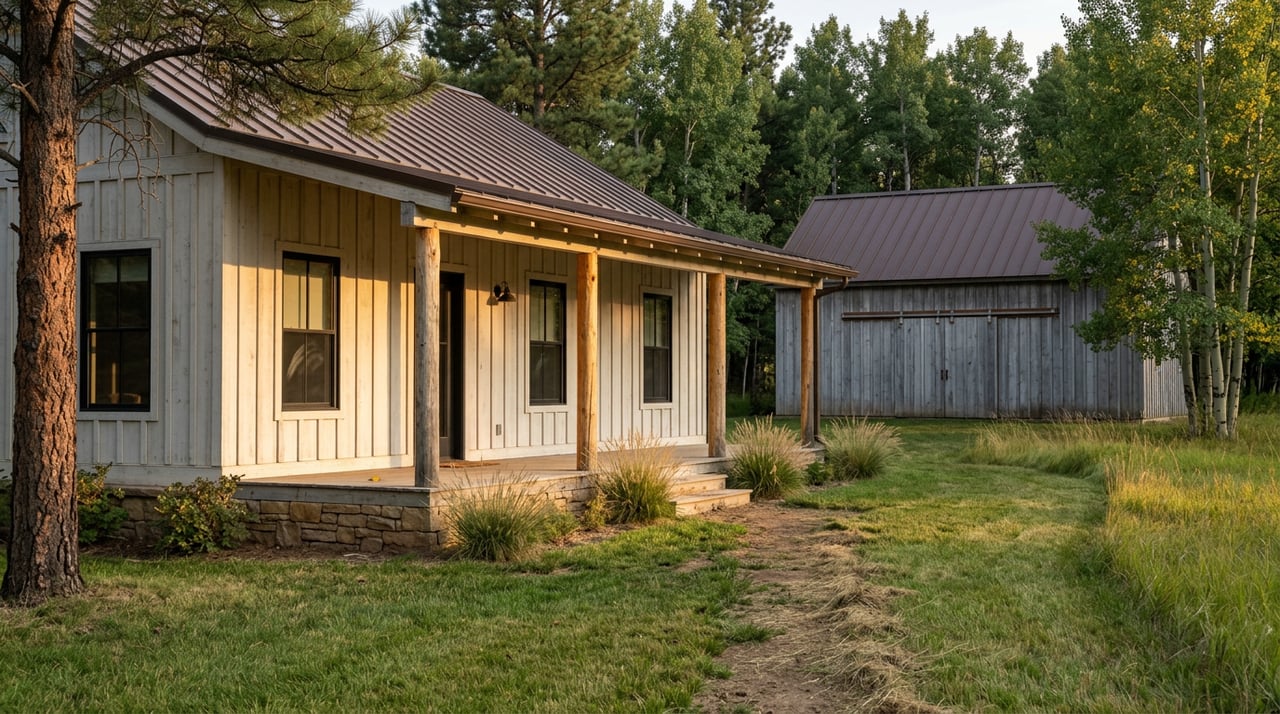
Acreage usually appeals to buyers who want more space, more privacy, and more control over how they use their property. In Dripping Springs, that can mean room for outdoor entertaining, storage, fencing, and a quieter day-to-day rhythm.
For many buyers, the appeal is simple: more elbow room and a stronger connection to the Hill Country landscape. Dripping Springs Ranch Park reflects that local identity with 130 acres of open space, trails, equestrian facilities, wildlife preservation, and ranching and farming heritage.
That said, acreage living is usually more hands-on. You are not just buying a house. You are often taking on more responsibility for land, utilities, upkeep, and access.
Acreage often means more property systems to manage
One of the biggest differences is how the property functions behind the scenes. On larger tracts, homes often rely on systems that require owner oversight rather than city-managed service.
If a home uses an on-site sewage facility, the Texas Commission on Environmental Quality says maintenance is ongoing. Conventional septic systems often need pumping every 3 to 5 years, while aerobic systems can be more complex and may require licensed maintenance.
If the property has a private well, the Texas Water Development Board says the well owner is responsible for water quality. The state does not regulate private well water quality, so testing and any needed treatment become part of your long-term ownership routine.
Acreage upkeep can go beyond mowing
Larger lots often come with more outdoor maintenance than buyers expect at first. Brush management, driveway or access-road upkeep, and general land care can become regular items on your to-do list.
In unincorporated parts of Hays County, permit awareness can matter too. Hays County handles septic permits, driveway and road permits, and outdoor burn or fire permits, and the Hays County Fire Marshal serves unincorporated areas.
For some buyers, that extra responsibility is worth it because it supports the lifestyle they want. For others, it can feel like more property management than freedom.
Neighborhood living in Dripping Springs
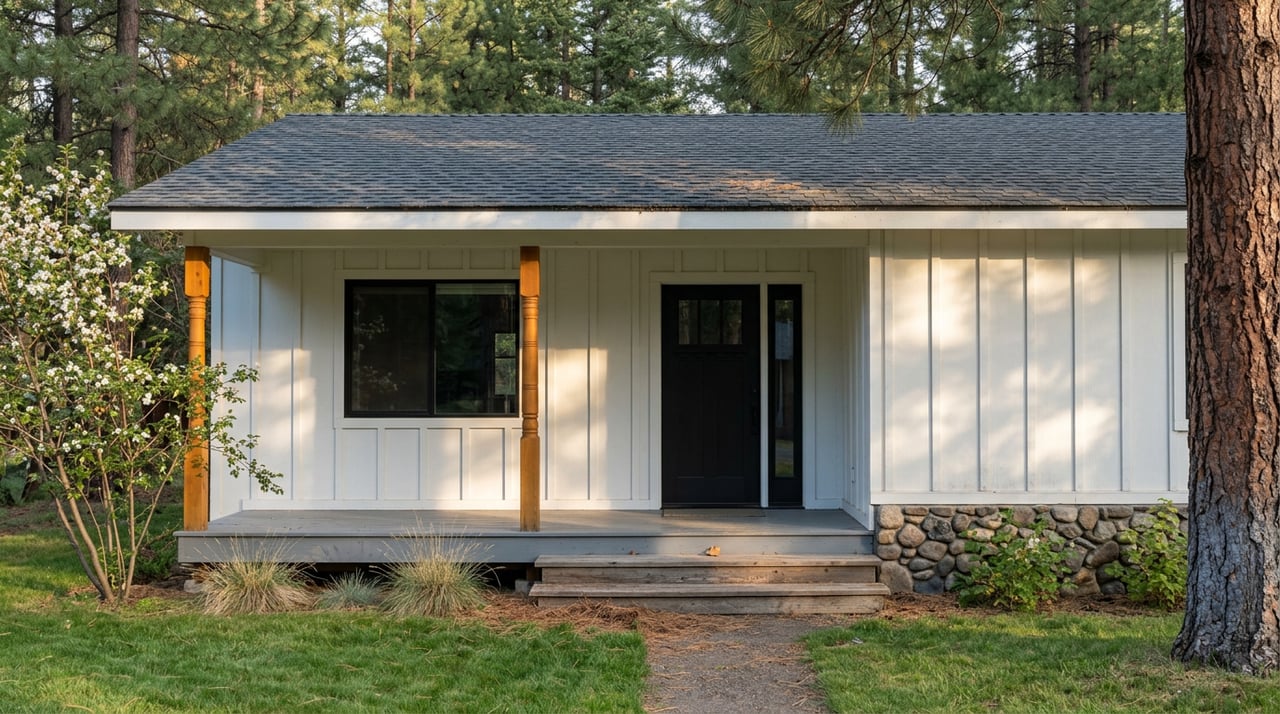
Neighborhood living usually appeals to buyers who want a simpler ownership experience. In many cases, you trade some land and separation for easier upkeep, more shared infrastructure, and quicker access to town.
That can be a strong fit if you want your weekends to feel less like a maintenance schedule. Smaller yards and neighborhood layouts often reduce the amount of hands-on work needed to keep the property looking and functioning the way you want.
Neighborhood living can also make it easier to plug into the community. Dripping Springs hosts events such as the weekly farmers market, Founders Day Festival, and Christmas on Mercer, and the city’s park system includes five unique parks plus a future one, with trails for hiking, running, horseback riding, and dog walking.
Utilities may feel more predictable
Utilities are one of the most important practical differences between acreage and neighborhood living. In Dripping Springs, city wastewater service is available only within city limits and select subdivisions under development agreements, and the city says the system is currently at capacity for new wastewater connections.
That means buyers should not assume every neighborhood home has the same utility setup. Even so, neighborhood properties often feel more straightforward than rural tracts because they may rely more on shared infrastructure or community systems instead of private land-based systems.
Water rules can also shape the experience. The city posts Stage 2 watering restrictions for city-billed customers, while Dripping Springs WSC posts Stage 4 restrictions that prohibit automatic sprinkler and drip irrigation.
If you are comparing homes with larger lawns or landscaping, these details matter. They can affect how much effort, planning, and cost goes into maintaining outdoor spaces.
Privacy versus convenience
This is where the decision gets personal. Acreage often gives you more separation from neighbors, more room to spread out, and a stronger sense of retreat.
Neighborhood living usually gives you more convenience. Errands may be easier, the drive into town may feel simpler, and shared amenities or nearby events may be easier to enjoy on a regular basis.
Neither lifestyle is automatically better. In Dripping Springs, both can still reflect the area’s strong small-town identity. The difference is whether you want that feeling to come from your own private tract of land or from shared spaces, parks, and community events.
Commute and access can shape daily life
In Dripping Springs, commute patterns are heavily shaped by US 290 and RM 12. TxDOT says rapid population growth has increased traffic demand and congestion along US 290, and the city’s transportation planning identifies traffic as one of the area’s biggest concerns.
The city says Dripping Springs is about 25 minutes west of Austin, and Census QuickFacts lists a mean travel time to work of 27.4 minutes for city workers. Those numbers can sound manageable, but your actual day-to-day experience may depend a lot on where the home sits relative to major roads and your typical destinations.
Recent transportation projects also show how access is evolving. Village Grove Parkway opened in November 2025 as an alternate connection between US 290 and RM 12, with the goal of helping reduce congestion near that key intersection.
Acreage often means more road dependence
If you choose acreage, you may get quieter surroundings, but you may also depend more on one or two main roads for work, errands, and appointments. That can make your routine more sensitive to traffic, road work, or closures.
Neighborhood homes often offer shorter errand loops and easier access to the town core. If convenience is high on your list, that can be a meaningful advantage over time.
Questions to ask before you choose
The best way to compare acreage and neighborhood living is to get specific. General impressions are helpful, but the details of each property will tell you much more.
Here are a few smart questions to ask as you narrow your options:
- Is the home on city water and wastewater, or does it rely on a septic system or well?
- If there is a septic system, what type is it, and when was it last serviced?
- If there is a private well, who has been testing the water and how often?
- Are there any outdoor burn, driveway, road, or other county permit issues that could affect how you use the property?
- How much yard, land, or landscaping do you realistically want to maintain?
- How important are quick errands, community events, parks, and trail access to your daily routine?
- How comfortable are you with more self-managed property systems and maintenance?
These questions can help you move beyond the idea of "more land" or "less work" and focus on what ownership will actually feel like.
Which lifestyle fits you best?
Acreage in Dripping Springs often fits buyers who value privacy, outdoor use, and a more self-managed Hill Country lifestyle. If you like the idea of more room and do not mind taking a hands-on role in property care, acreage may feel like a natural fit.
Neighborhood living often fits buyers who want simpler upkeep, easier access to town, and a more predictable day-to-day routine. If you want to spend less time managing land and more time enjoying nearby amenities and community events, a neighborhood home may be the better choice.
The key is not choosing the option that sounds best in theory. It is choosing the one that matches how you want to live, commute, maintain your home, and use your time over the long run.
If you are weighing acreage against neighborhood living in Dripping Springs, the right guidance can make the decision much clearer. The Jamie Novak Group offers concierge-level buyer representation and relocation support to help you compare properties, understand the tradeoffs, and move forward with confidence.
FAQs
What is the main difference between acreage and neighborhood living in Dripping Springs?
- Acreage usually offers more privacy, space, and self-managed property features, while neighborhood living usually offers easier upkeep, more shared infrastructure, and better access to town amenities.
What should you ask about utilities in Dripping Springs before buying?
- You should ask whether the property has city water and wastewater service or relies on a private well and septic system, because maintenance responsibilities can vary significantly.
What should you know about septic systems on Dripping Springs acreage properties?
- The Texas Commission on Environmental Quality says on-site sewage facilities need ongoing maintenance, with conventional systems often needing pumping every 3 to 5 years and some aerobic systems requiring licensed maintenance.
What should you know about private wells in Dripping Springs?
- The Texas Water Development Board says private well owners are responsible for water quality, so testing and any needed treatment are part of ownership.
How does commuting affect the acreage versus neighborhood decision in Dripping Springs?
- Acreage properties often depend more on a limited number of roads and may involve longer drives for errands, while neighborhood homes often offer easier access to town and shorter everyday trips.
What community amenities are available in Dripping Springs for neighborhood buyers?
- The city offers community events such as the farmers market, Founders Day Festival, and Christmas on Mercer, along with multiple parks and trail options.
Is neighborhood living always easier than acreage in Dripping Springs?
- Not always, but it often involves less hands-on land management and fewer owner-managed systems than a larger rural property.