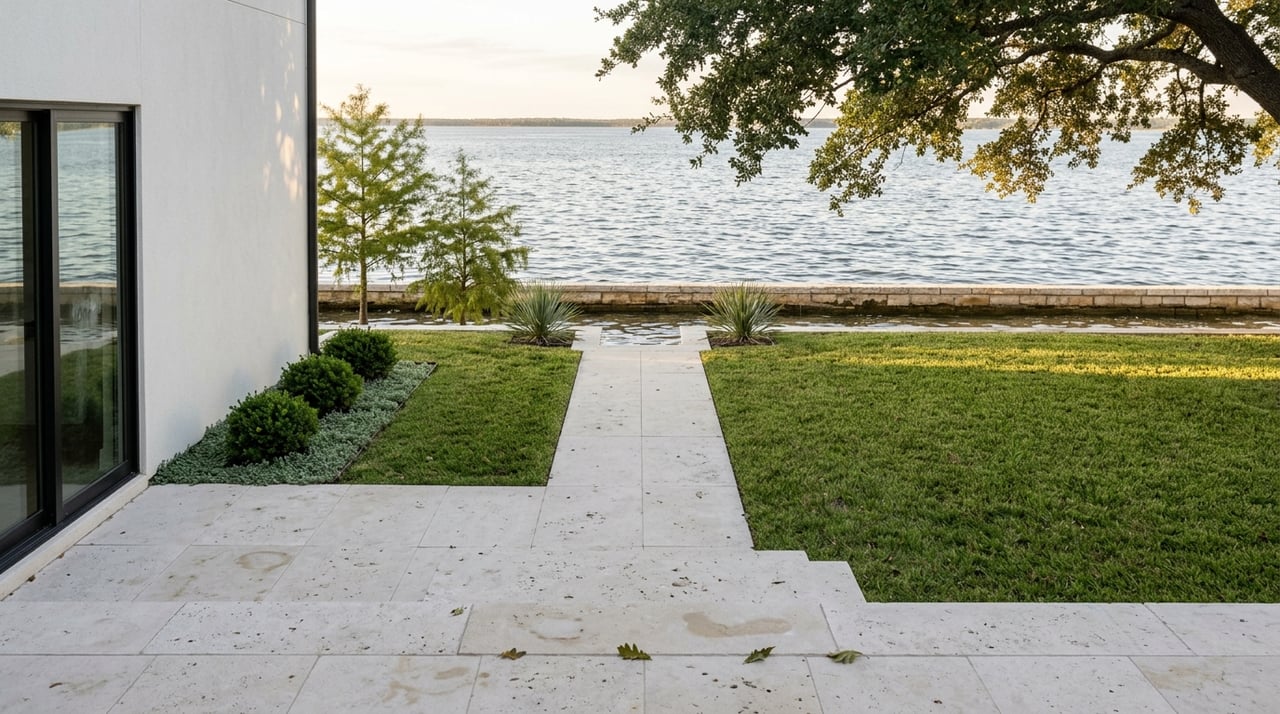
A waterfront lot can look perfect at first glance, but the real value is often hidden in the details. If you are considering a homesite on Lake Austin or Lake Travis, you need more than a beautiful view to make a smart decision. The right lot can support the lifestyle you want, while the wrong one can come with costly surprises tied to permits, utilities, shoreline rules, or dock limitations. This guide will help you evaluate a waterfront lot with more clarity and confidence before you write an offer. Let’s dive in.
Start With Jurisdiction
The first step is simple but critical: find out which rules govern the property. Lake Austin and Lake Travis do not operate under the same framework, and that difference can affect what you can build, how you access the water, and what approvals you may need.
On Lake Austin, the City of Austin plays a major role in regulating boat docks, shoreline access, bulkheads, and related site work. The city also notes that the Lake Austin overlay district extends 1,000 feet from the shoreline, and lots zoned LA or subject to the overlay may face additional setback, slope, and impervious-cover restrictions.
On Lake Travis, LCRA oversees dock safety, watershed matters, and many septic rules. LCRA also makes clear that the more restrictive local or HOA rule controls. That means your review should not stop with one authority. You need to understand city, county, LCRA, and any deed or HOA restrictions that may apply.
Compare Water Access, Not Just Views
A lot with a dramatic view is not always the lot with the best waterfront function. If boating, swimming, or day-to-day lake access matters to you, the shape of the shoreline and water-level realities deserve close attention.
Lake Travis is full at 681 feet msl and is the only Highland Lake specifically designed to hold back floodwaters. Lake Austin has a normal pool elevation of 492.8 feet msl. Those distinctions matter because shoreline usability can change a lot, especially on Lake Travis during lower water periods.
On Lake Travis, LCRA dock safety standards require a maximum distance of 100 feet from shoreline and 40 feet of usable lake access. If a cove is narrower than 40 feet, only recessed docks can be built. In practical terms, a lot may look wide enough on paper but still offer limited dock options depending on the cove geometry.
Lake Austin has its own practical questions. The City of Austin notes that hydrilla can be thick along some shorelines and may extend about 100 feet from shore. That can affect how you think about day-to-day lake use, even if the lot looks appealing from the street or from a showing.
Understand Dock Feasibility Early
Dock assumptions can quickly shape the economics of a waterfront purchase. Before you place a premium on a lot, confirm whether the dock you want is actually realistic under current rules.
In Austin, an approved site plan or site plan exemption is required before a residential or commercial boat dock permit. The city also says a dock generally may not extend more than 30 feet from the shoreline and may not exceed 20 percent of shoreline frontage. Boat ramps are prohibited within city limits.
If there is already a dock on the property, do not assume it is fully compliant or easy to modify. Certain repairs may qualify for exemption only if the structure was legal to begin with, the footprint is not expanded, and no structural members are replaced. After construction, residential dock registration must be renewed every five years.
For larger shared-use concepts, the rules can become even more restrictive. LCRA treats floating docks over 1,500 square feet as marinas, and new community marinas are banned. If your plans include something beyond a straightforward private dock, that issue should be reviewed before you move forward.
Evaluate the True Build Envelope
A teardown lot is only as valuable as what you can legally rebuild. One of the biggest mistakes buyers make is focusing on lot size and frontage while overlooking what regulations may do to the actual building envelope.
Austin notes that every creek and lake has a floodplain, and city floodplain rules apply to projects in the 25-year and 100-year floodplains. Environmental review may also come into play when a tract is in floodplain or has steep slopes. If slopes exceed 35 percent, or if dock dimensions exceed frontage or extension limits, extra approvals may be required.
In Lake Austin zoning or overlay areas, setbacks, slope limits, and impervious-cover rules can materially change where a home can sit on the lot. That means a perfect orientation for sunset views may not line up with the area where building is actually allowed. A site can feel generous until you account for all the constraints.
If the parcel sits outside city limits, Travis County may require a Basic Development Permit for land development in unincorporated areas. The county also reviews stormwater controls based on project size. That makes jurisdiction part of the buildability conversation from day one.
Check Utilities Before You Price the Lot
Utility access can have a major effect on both cost and timing. Before you treat a lot as ready for a new build or major remodel, confirm what service is available and what will be required to connect.
Austin Water requires engineered plans for new water and wastewater connections, and no building permits are issued until tap fees are paid. If the lot does not already have the utility setup you need, that can affect your budget and timeline more than many buyers expect.
For septic, LCRA regulates onsite sewage facilities within a 2,200-foot zone around the upper Highland Lakes and a 2,000-foot zone around Lake Travis. Its jurisdiction map can help confirm whether a parcel falls within LCRA septic or watershed authority. Sewer availability, septic feasibility, and the distance to existing utility service should be some of the first questions you answer before making an offer.
Review Shoreline Conditions Carefully
Not all shoreline is equally usable or equally easy to improve. Bulkheads, retaining walls, erosion, dredging, and lakebed conditions can all affect both enjoyment and future project costs.
On Lake Travis, exposed lakebed during low water can become a maintenance issue. LCRA allows certain lakebed clearing and retaining-wall work below 676 feet msl after notification. Even so, that does not mean every shoreline condition will be simple or inexpensive to address.
If a property involves bank stabilization, dredging, or fill, additional review may be required. The City of Austin says fill in a lake is generally prohibited except to recapture land from erosion with historical shoreline documentation. That is a key distinction if you are assuming you can reshape or expand usable waterfront area later.
Do Not Skip Survey and Title Review
Waterfront property lines are not always as obvious as they seem. That is one reason survey and title work carry extra weight on a lakefront purchase.
LCRA notes that it does not adjudicate private property-rights claims. In other words, a dock location, shoreline assumption, or use pattern may not tell you what is legally yours or what rights transfer with the property. A current survey helps you verify easements, shoreline frontage, property lines, setbacks, and dock footprint.
This step also helps you confirm whether an existing dock is properly addressed and registered, and whether access improvements or utility areas overlap with easements. For many waterfront buyers, this is where the deal becomes either clearer or more complicated.
Use a Practical Pre-Offer Checklist
Before you submit an offer, it helps to slow the process down and pressure-test the lot from several angles. A beautiful waterfront parcel should be evaluated by entitlement capacity and shoreline function, not by price per linear foot alone.
Here are the most useful questions to answer up front:
- Which jurisdiction governs the parcel?
- How much shoreline frontage does it actually have?
- What is the cove width and usable water access at both high and low lake levels?
- Is there a current survey showing property lines, shoreline, easements, setbacks, and dock footprint?
- Is the existing dock registered and properly addressed?
- Will the lot need new water, wastewater, or septic service?
- Are there floodplain, slope, erosion, retaining-wall, bulkhead, or dredge/fill issues?
- Are HOA or deed restrictions stricter than city or LCRA rules?
- Would the rebuild require site plan review, board approval, USACE review, or LCRA notification?
A lot with excellent views but weak dock feasibility, utility limitations, floodplain constraints, or restrictive shoreline rules may be worth less than a more modest-looking lot with a cleaner path to building and enjoying the water.
Why Local Guidance Matters
Waterfront purchases reward careful, local due diligence. The most successful buyers usually evaluate the lot as a package of rights, constraints, access, and future usability, not just as a pretty address on the lake.
That is especially true in the Lake Austin and Lake Travis corridor, where small regulatory details can have a big impact on value. If you want help comparing waterfront opportunities, identifying red flags early, and building a smarter pre-offer strategy, the Jamie Novak Group can guide you through the process with concierge-level local insight.
FAQs
What should you verify first on a Lake Austin or Lake Travis waterfront lot?
- Start by identifying which jurisdiction governs the parcel, because City of Austin, Travis County, LCRA, and HOA rules can each affect what you can build or modify.
How do dock rules differ for Lake Austin and Lake Travis lots?
- Lake Austin dock projects typically require City of Austin review, while Lake Travis dock safety standards are administered by LCRA, with the more restrictive local or HOA rule controlling.
Why does water level matter when buying a Lake Travis lot?
- Water level affects usable shoreline, dock design, and maintenance, and exposed lakebed during low water can change how functional the lot feels over time.
What can limit rebuild potential on a waterfront teardown lot?
- Floodplain rules, steep slopes, setbacks, impervious-cover limits, and shoreline regulations can all reduce the area where you can legally rebuild.
Why is a current survey important for a waterfront property purchase?
- A current survey helps confirm shoreline frontage, easements, property lines, setbacks, and dock footprint so you can better understand what you are actually buying.